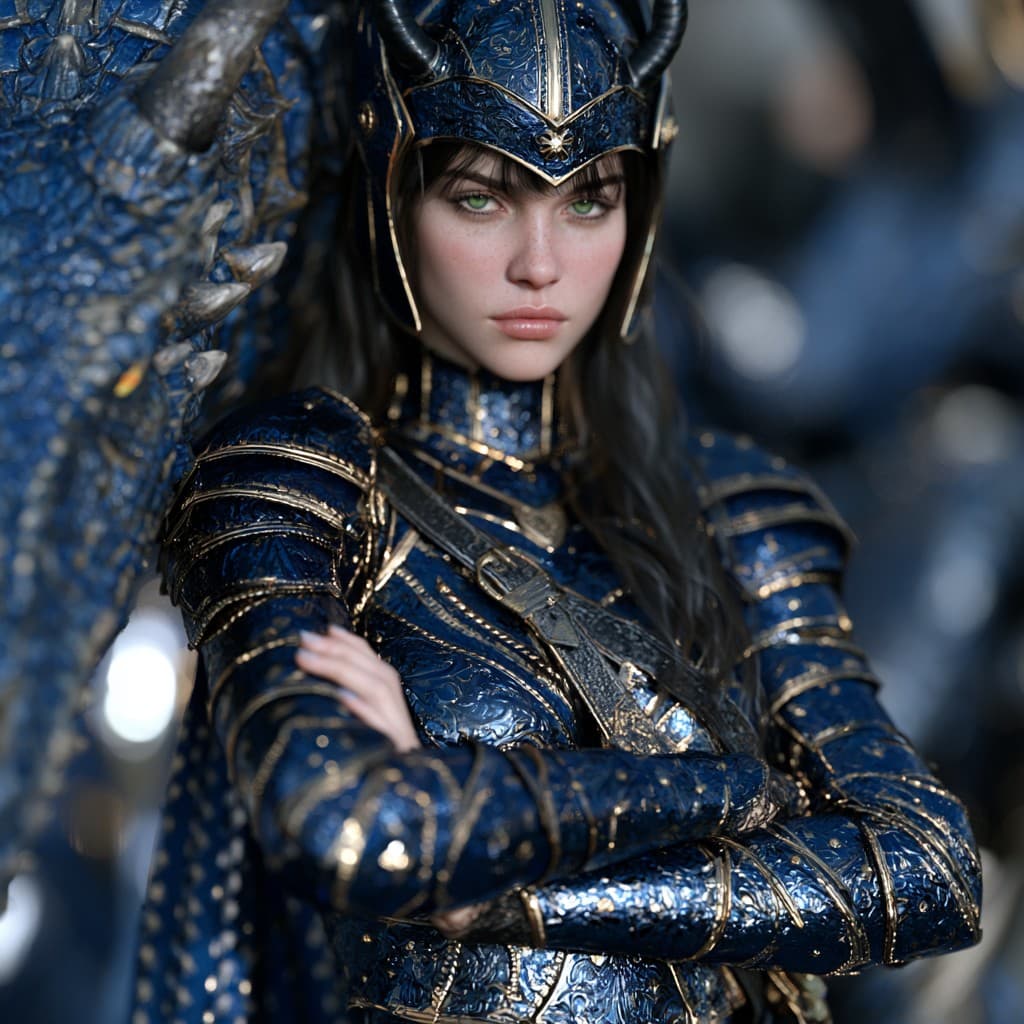
Manhattan, March. Some ghosts drive with purpose.

That Packard again...Rachel Owlglass
Either he’s lost, or I am.Rachel Owlglass
V. · Relics · Shadows
rachel_owlglass · 6 pages
Manhattan, March. Some ghosts drive with purpose.

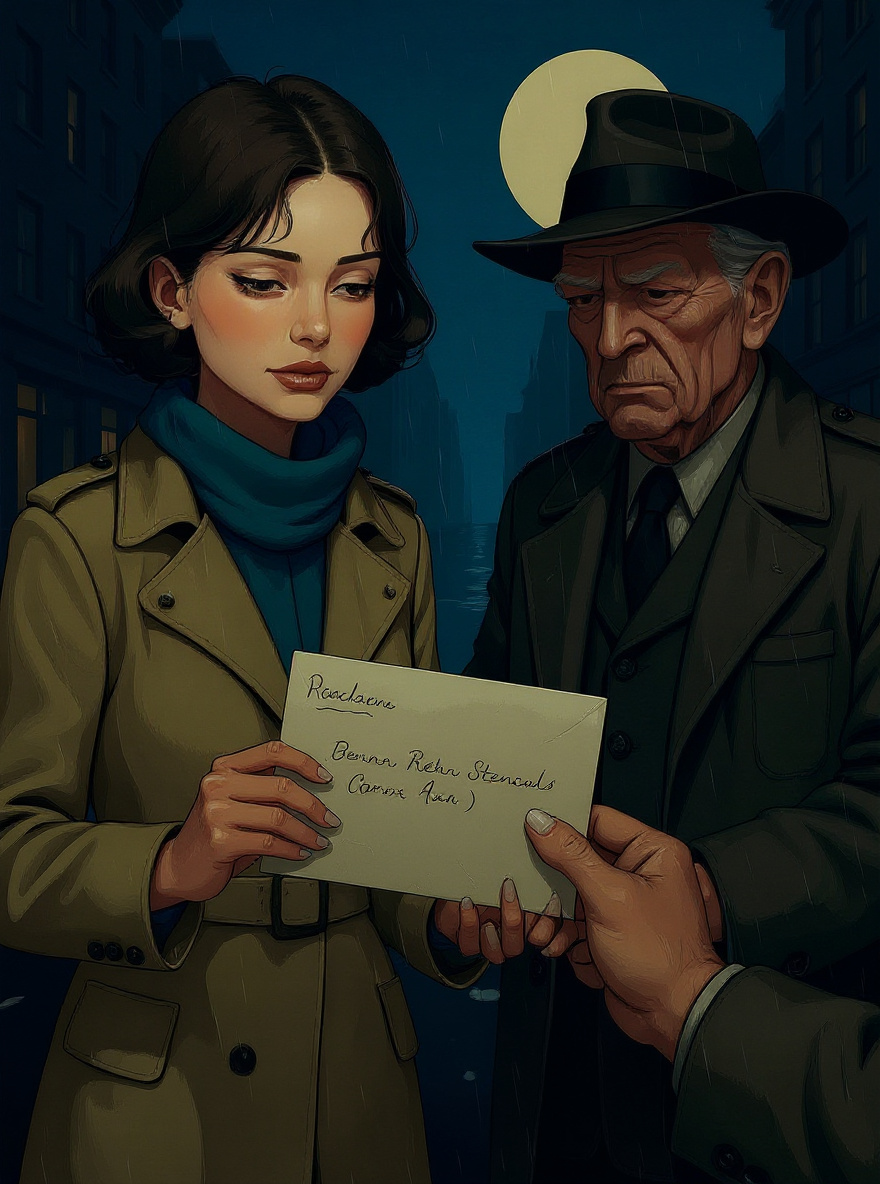





For a moment, the future wore a face.


Rachel Owlglass first noticed the man following her because he was driving a 1938 Packard in Manhattan traffic with the serenity of someone who had already died. It was March, cold enough that the gutters along Third Avenue contained gray archipelagos of ice, cigarette filters, and substances Rachel preferred not to identify. She was driving the MG, naturally, whose recent valve adjustment had produced in her the kind of satisfaction other women supposedly obtained from engagements, pregnancies, or finding a dress at half price. The Packard appeared in her mirror at 52nd Street. At 49th it was still there. At 44th Rachel accelerated through a yellow light. The Packard followed. “Oh, you poor bastard,” she said, though whether to the Packard or its driver was unclear. She pulled abruptly into an alley behind a wholesale lighting company. The Packard entered after her and stopped. Rachel got out. The man who emerged was perhaps sixty, perhaps eighty, wearing a homburg and a camel-hair coat whose lapels belonged to some extinct taxonomy of American confidence. “Miss Owlglass?” “Depends.” He handed her an envelope. On it was written: RACHEL OWLGLASS CARE OF THE AUTOMOBILE SHE LOVES MORE THAN HUMANITY Rachel looked at him. “Who gave you this?” “A woman.” “Name?” “She had several.” He returned to the Packard and drove away. Inside the envelope was a membership card for something called the **Society for the Prevention of Accidental Futures**, together with an address on West 23rd Street and the instruction MIDNIGHT, COME ALONE, BRING NO CLOCK. Rachel spent the afternoon attempting to forget about it. This involved lunch, two martinis, an argument with Benny Profane concerning whether employment represented a conspiracy against human locomotion, and fifteen minutes listening to Pig Bodine describe a scheme involving surplus Navy refrigeration equipment and what he repeatedly called “a breakthrough in portable intimacy.” At eleven forty-five she drove downtown. The address belonged to a condemned building squeezed between a furrier and a store selling ecclesiastical supplies. In the basement she found nine people seated around a table. On the wall hung a map of the world perforated by colored pins. Malta. Florence. Paris. Cairo. New York. A thin woman wearing white gloves addressed her. “Miss Owlglass, do you believe history moves forward?” Rachel considered this. “I believe traffic does, when adequately supervised.” Nobody laughed. The woman placed an object on the table. It was a small brass mechanism, something between a watch movement and an insect. Tiny gears moved without any visible source of power. “This was recovered yesterday from the body of a woman who died in 1899.” “Then I’d ask for my money back.” “The mechanism,” said the woman, “was manufactured in 1963.” Rachel stared at it. Somewhere inside the walls, plumbing knocked three times. The Society believed there were objects appearing throughout history before they had been invented: transistor components in Victorian telegraph offices, synthetic polymers in Egyptian tombs, ball bearings embedded in Renaissance statuary. Most were associated with one woman—or women—whose identity changed but whose initial remained stubbornly V. Rachel felt suddenly annoyed. Not frightened. Annoyed. The world was already sufficiently complicated without the future leaking backward into it. “Why me?” The woman smiled. “Because machines like you.” “That’s ridiculous.” “Yes.” Which, Rachel had to admit, was not quite the same thing as saying it was false. Outside, shortly after one, she climbed into the MG and turned the ignition. Nothing. She tried again. The starter clicked. “Don’t do this.” Click. Rachel opened the bonnet. Beneath it everything appeared normal except for one object resting delicately atop the engine block. A brass gear. Still warm. She picked it up. Behind her came the faint sound of heels on pavement. Rachel turned. At the far end of the street stood a woman beneath a dead streetlamp, elegantly dressed, perfectly motionless. Then the streetlamp flickered. For perhaps half a second Rachel saw her face. Beautiful, certainly. But something about the eyes reflected the light incorrectly. The lamp went dark. The woman was gone. Rachel returned to the MG. “All right,” she whispered. The engine started immediately. She drove north toward the lights of Times Square, furious now, while beneath the dashboard something small and metallic began ticking backward.